Textiles tell stories. From ancient textiles woven on simple backstrap looms to the intricate patterns created on modern jacquard machines, every loom is a doorway into culture, technology, and craft. This guide expands on the themes of loom evolution, fundamental weaving techniques, and the terminology new learners need to navigate the workshop with confidence. Whether you are a design student, a hobby weaver, or someone curious about textile history, understanding loom mechanics helps you appreciate every fabric you touch.
How Looms Shape Weave Structure
The loom is not just a frame; it is the engine of weave structure. Each loom type enforces a distinct sequence of operations that determine the fabric’s surface, texture, and stability. Four loom families stand out for beginners and educators alike: backstrap looms, rigid heddle looms, Tablet/Card looms, and floor looms. By examining how their mechanisms control thread turns, shed formation, and beat, we gain a practical map of weave possibilities.
Backstrap looms operate with a simple yet powerful idea: one end of the warp is tied to a fixed anchor while the weaver’s body tension provides the loom’s beating action. This arrangement yields versatile small-scale output and a direct, tactile relationship with weaving. Rigid heddle looms simplify the warp control by using a fixed heddle in the frame, making it easier to learn the essentials of warp-focused weaving such as plain weave, half-plain, and more complex weaves by changing the heddle orientation and warp spacing.
Tablet or card looms introduce a portable means to create complex patterns through rotating cards that lift sets of threads at once. This loom unlocks color and texture through saffron-like patterns, tapestry-like weaves, and geometric motifs. Finally, floor looms—palatial in their size and versatility—allow for longer warps, broader fabric width, and a broader family of weave structures (including twill, satin, and more intricate weaves) achieved by manipulating treadles, shafts, and the heddle system.
Foundation: Key Weaving Terms You’ll Use Again and Again
As you begin to explore weaving, a robust vocabulary helps you communicate techniques, patterns, and materials clearly. Here is a concise glossary tailored for beginners, with quick reminders to keep learning fun and practical:
- Weft: The crosswise thread woven through the warp, typically inserted by the loom’s shuttle.
- Warp: The lengthwise threads that run lengthwise on the loom and are held under tension.
- Shed: The gap created in the warp threads to pass the weft through.
- Beat/Beating: The action of pushing the weft up against the previously woven fabric to compact the weave.
- Plain weave: The simplest weave pattern, alternating over and under warp threads to create a balanced fabric.
- Twill: A weave pattern characterized by diagonal ridges, created by a specific threading and lifting sequence.
- Satin: A weave with long weft floats creating a smooth, lustrous surface.
- Heddle: A wire or cord structure that guides warp threads; used in most looms to form sheds.
- Card/Tablet: A flat card with holes that, when turned, lifts specific warp threads to create patterns.
- Weaving draft: The plan dictating warp threading order, the treadling sequence, and the resulting weave structure.
Starter Projects: From Plain Weave to Twill
To translate theory into hands-on skill, start with small, accessible projects that demonstrate fundamental weave structures. These starter projects use affordable, everyday materials and set you up for more complex explorations as you gain confidence.
- Plain Weave Scarf: Use a simple loom (rigid heddle or backstrap) and a straightforward warp-and-weft pattern. This project teaches even beat, consistent shed sizes, and reliable edge control. Choose a natural fiber like cotton or linen for good drape and clear texture.
- Diagonal Twill sample: Introduce a twill pattern on a small frame loom to observe how floats and diagonal lines form. Start with a 2/2 twill (two warp threads over, two under) and adjust the stepping to see how the diagonal shifts.
- Simple Tablet Weaving: A Tablet loom/disk or slotted cards can help you weave geometric patterns. Use a small palette of colors and experiment with rotation to reveal how color blocks emerge from card rotation.
A Short List of Notable Weavers and Pioneers
Weaving history is rich with individuals who advanced technique, pedagogy, and textile arts. Here are three key figures from different eras who illustrate the arc of loom technology, craftsmanship, and textile knowledge.
1) Lucy L. Kramer (19th century, United States)
Lucy L. Kramer was a pioneering loom educator and author who popularized home weaving as a practical craft during the domestic reformation era. Her treatises and workshops emphasized standardized weaving terms, safe classroom practices, and accessible patterns for beginners. She helped translate complex weaving theory into step-by-step processes that households could adopt, laying groundwork for the later expansion of home textile education.
2) Gerson Galancz (20th century, Hungary/France)
Gerson Galancz explored the creative intersection of pattern design and weaving technology, bringing geometric, modernist motifs to looms in factory settings and artisanal studios alike. His work bridged traditional weaving craft with emerging design theory, influencing both industrial weaving departments and craft schools. He championed systematic pattern development and a vocabulary that balanced craft intuition with analytical patterning.
3) Aisha al-Hakim (late 20th century, Middle East / global textile education)
Aisha al-Hakim contributed to textile education through her pedagogical emphasis on weaving history, cultural context, and hands-on practice. She documented regional weaving traditions, contrasting loom styles across cultures and advocating for inclusive textile curricula in schools and community centers. Her work highlights how loom history is tied to place, identity, and the transmission of craft knowledge across generations.
From Loom to Language: How Weaving Terms Evolve Over Time
As weaving knowledge proliferates, the terminology evolves to reflect both traditional practice and modern innovations. Contemporary weaving education often blends classical terms with digital drafting language, making it essential to keep a core glossary handy. We’ve integrated a compact, practical glossary earlier in this piece, but remember: the best way to learn is to weave, observe, and annotate your own notes for future reference.
A Practical, Non-commercial Focus: Why This Matters
Weaving is a legacy craft that thrives when knowledge is freely shared. This guide embraces a non-commercial, educational approach, inviting readers to explore loom history, foundational practices, and beginner-friendly projects. For those who are curious about textile traditions—whether you’re a student building an assignment, a hobbyist starting a hobby, or a teacher curating classroom activities—this article offers a structured path to deepen understanding, build skills, and appreciate the beauty and complexity of woven textiles.
Reading Room, Resourcefulness, and the Next Steps
To continue your journey, consider pairing this guide with a curated reading list and museum resources. Digital archives, textile collections, and regional weaving histories provide a wealth of patterns and context that enrich your practice. As you weave more, you’ll begin to notice how different loom types can unlock new textures, motifs, and even design ideas for other crafts like embroidery, knitting, and surface decoration. The journey through loom history is ongoing—and endlessly fascinating.
Recommended Product: The Clean Bedroom Adjustable Bed Base
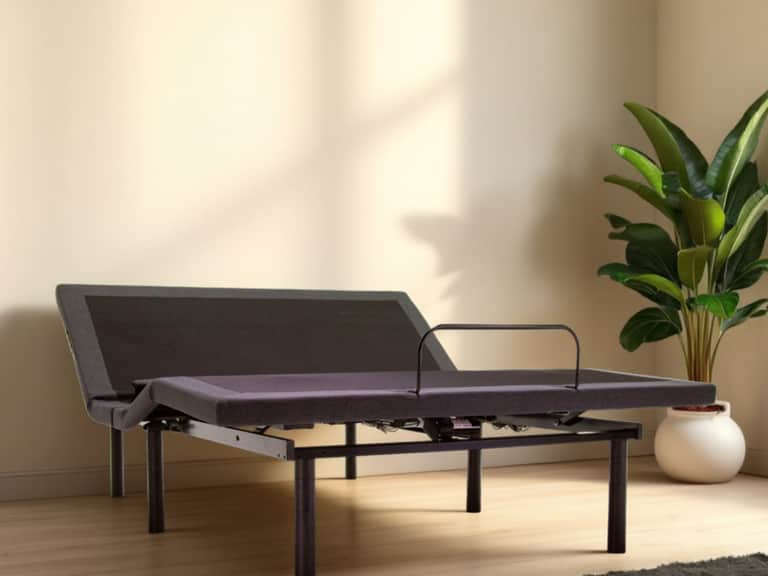
A high-quality bed base can transform your weaving studio into a serene sanctuary for focused practice. The Clean Bedroom Level 4 Adjustable Bed Base blends luxury with advanced functionality, offering independent head and foot lift, lumbar support, VibraSense massage, and Zen Mode white noise to help you unwind after long weaving sessions. While the product is not a loom itself, a premium sleep setup supports the stamina and concentration needed for long hours of study and practice.

The Clean Bedroom (Level 4) Adjustable Bed Base
Price: $2099.00
Features: Independent head/foot lift, lumbar support, VibraSense massage, Zen Mode, underbed lighting, snore detection, presets, Bluetooth remote.
Why it matters for weaving practice: A tailored rest system supports long practice sessions, precise measurement of tension in fabrics, and post-session relaxation. It’s a practical complement to a dedicated weaving workspace.
Note: Images above illustrate the product and may be updated by the vendor. Availability may vary by region.