Innerspring mattresses use a system of metal coils to support the body, with padding and upholstery layers adding cushioning above the springs. Coil design, mattress construction, and comfort materials can affect firmness, airflow, and how movement is distributed. Understanding these features helps explain how an innerspring mattress fits into a bedding setup.
Spring units may use connected coils or individually wrapped springs, each offering different characteristics in responsiveness and motion transfer. Comfort layers can include cotton, wool, or foam, influencing the surface feel without changing the underlying role of the coil support system. Mattress dimensions and firmness are also important when selecting compatible sheets.
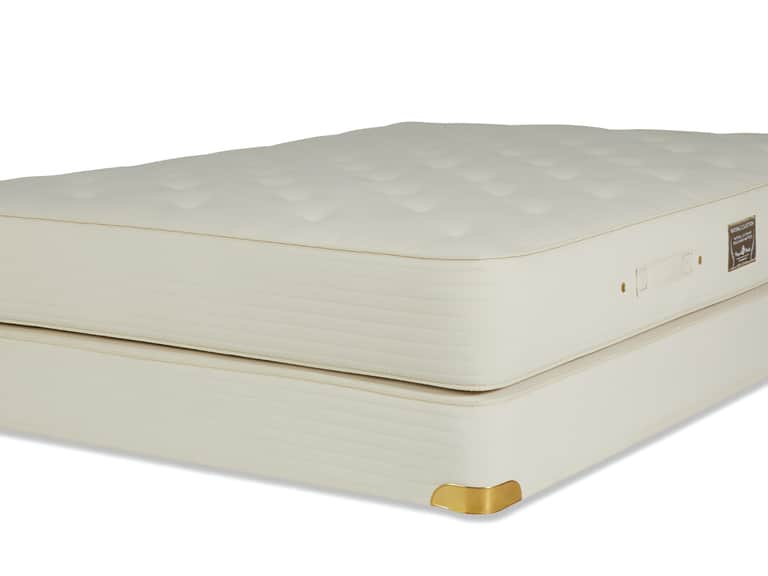
The Royal-Pedic Natural Cotton Mattress with Wool Wrap combines natural cotton with a wool wrap as part of its mattress construction. Cotton provides a soft, breathable upholstery layer, while wool adds cushioning and can help moderate temperature at the sleep surface. These materials distinguish it from designs that rely primarily on synthetic foam layers.
When comparing innerspring mattresses, consider the support core, upholstery materials, firmness, and the way the mattress responds to body weight and movement. Natural-fiber options may be relevant to people researching organic mattresses, though certifications and material sourcing should be checked separately. Mattress comfort is personal and can also depend on pillows and sleep position.
A coordinated bedding arrangement includes a mattress, appropriately sized sheets, and pillows suited to individual comfort needs. Memory foam pillows offer a different cushioning feel from conventional pillows, while innerspring mattresses provide support through their coil structure. Comparing these components separately makes it easier to understand their functions and create a practical sleep setup.
 Innerspring Mattresses