Wool as a natural fiber offers unique benefits for bedding and sleep systems, combining temperature regulation, moisture management, and durability. In this category, wool materials are explored for their ability to maintain comfortable microclimates, wick away perspiration, and resist compression over time. Understanding wool's properties helps match materials to individual sleep preferences and conditions.
Key characteristics of wool include high breathability, elasticity, and inherent flame resistance, making it suitable for pillows, mattresses, and toppers. Wool fibers trap air to provide insulation in cooler environments while releasing heat when temperatures rise. These features support a balanced sleep surface across varying seasons and climates.
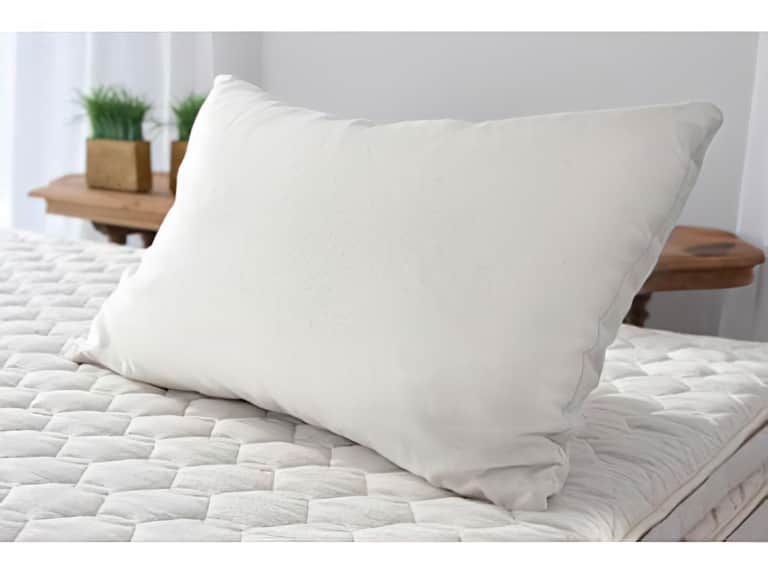
The Savvy Rest Wool Pillow exemplifies how wool can contribute to supportive neck alignment and pressure distribution. Its wool fill offers resilient loft, regulates humidity, and remains naturally antimicrobial. This combination promotes comfort and hygiene, reducing over-movement and helping sleepers maintain a restful posture throughout the night.
When considering wool bedding, expect a durable, low-maintenance option that often pairs well with other materials like organic cotton covers or natural latex cores. Wool is known for its ability to recover after compression, maintaining loft and shape for extended use. This makes it a practical choice for long-term bedding systems and memory foam pillows alternatives.
For a holistic sleep setup, wool products intersect with broader bedding considerations such as sheets, organic mattresses, and pillow selections. Informed choices about fiber origin, processing methods, and fill power help optimize comfort, thermal balance, and sleep quality while aligning with preferences for natural and sustainable materials.
 Bedding